



Solar energy. Audax acronym with cox energy the most
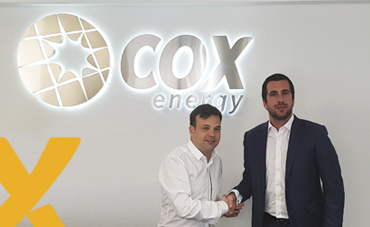
On March 16, 2018, Audax Energía signed a PPA, or Power Purchase Agreement, with Cox Energy, a Spanish company operating in the field of renewables and present at an international level (Spain, Portugal, Chile and Mexico). Considering the numbers and figures of the operation, it is not only the most important PPA ever signed to date for the purchase of energy produced with photovoltaic technology, but it will also become a point of reference for the European energy market in the field of renewables.
The terms of the agreement cover the coverage of 660 MW of installed power, enough to distribute 1,300 GWh per year of renewable or green energy, equivalent to the consumption of more than 390 thousand families; the energy will come from installations located between Spain and Portugal owned by Cox Energy and another strategic partner. The contract provides that Cox Energy will guarantee the sale of electricity with an installed power of 495 MWp in Spain and another 165 MWp in Portugal. The projects will start this year and will become progressively operational until 2020. The total value of the investments will exceed 400 million euros.
With this operation – carried out with legal advice from Garrigues and Watson Farley & Williams y Voltiq – Audax consolidates its position as a company focused on green, clean and renewable energy.
The PPA signed with Cox Energy aims to be the first of other strategic steps to be taken for the development of photovoltaic energy production projects in other European countries where Audax is already present (Portugal, Italy, France, Germany, Poland and the Netherlands). The 660MW of this PPA place Spain and Portugal as the first European countries in terms of volume of renewable energy sold through this type of agreement.
PPAs or Power Purchase Agreements are long-term energy purchase agreements that are becoming more widespread today, especially between renewable energy producers and large energy sales companies (offtakers). On the one hand, they are able to bring a certain stability to the inflows for producers, avoiding the problem of market volatility and facilitating the financing or "bankability" of projects. On the other hand, large sales companies purchase energy with better economic conditions than those they would have had by buying it on wholesale markets, thus obtaining competitive advantages - in the short and medium term - in energy supply compared to competitors.